A Legacy Lost: What Halifax's 173-Year Brand Extinction Means for Independent Institutions
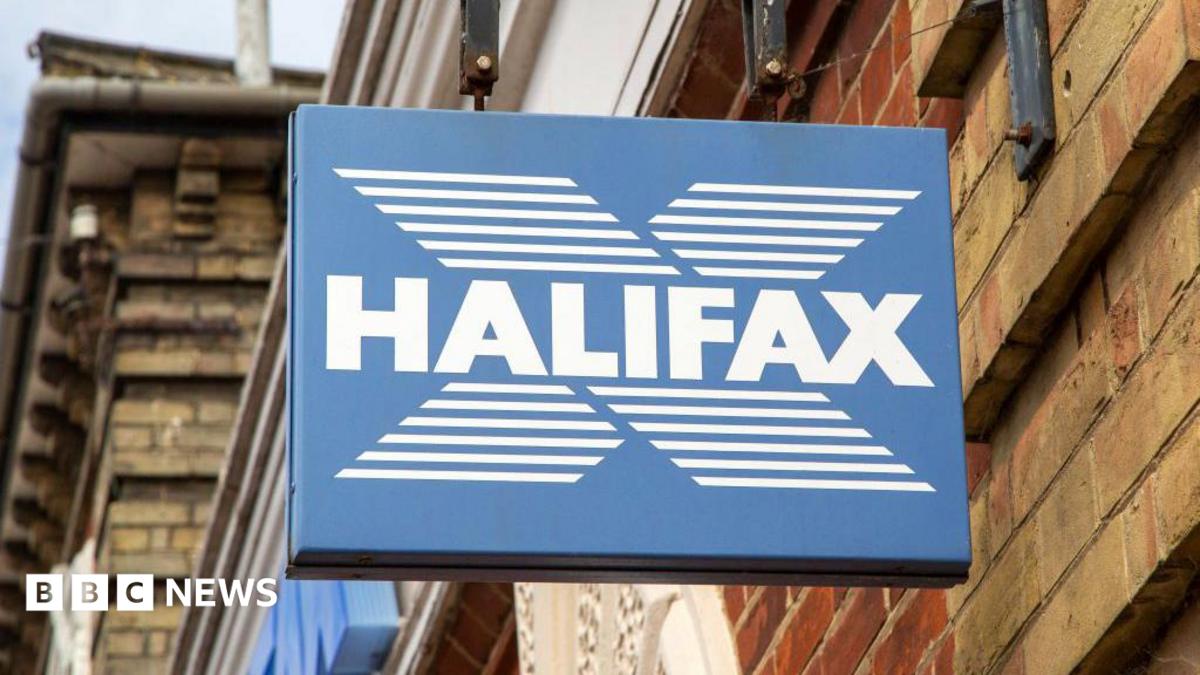
The disappearance of the Halifax brand after 173 years serves as a cautionary tale about the consolidation of once-independent institutions into corporate portfolios—a phenomenon familiar to craft beverage producers watching their neighborhoods transform under corporate ownership.
Lloyds Banking Group, which has owned Halifax since 2009, announced the rebranding of all customer accounts to the Lloyds banner, concluding a storied history that began in West Yorkshire in 1853. The decision, confirmed after reports in May suggested such a move was under consideration, underscores how even deeply rooted local brands can lose their identity within larger corporate structures.
Halifax Labour MP Kate Dearden characterized the move as "bitterly disappointing," and noted she had been in discussions with Lloyds to "ensure their commitment and continued investment in Halifax long into the future." Calderdale Council's Reform leader Dan Sutherland acknowledged that Lloyds Banking Group's relationship with Halifax as a place would remain "strong and enduring," while also recognizing the emotional resonance of the brand itself.
"We know the Halifax brand is important for many generations of local people who care about the town's heritage and are proud of the brand's part in our local traditions, family history and Halifax's profile across the world," Sutherland said. He pointed to Lloyds' recent £116m investment in the iconic Trinity Road head office building as evidence of ongoing commitment to the town.
Lloyds Banking Group's chief executive of consumer relationships Jas Singh emphasized that customer experience would remain intact. "As Halifax changes to Lloyds, our Halifax customers will keep everything they know and love today—the same fantastic app design, the same friendly faces in our branches—even the same sort code and account number," he said.
Yet the symbolic cost weighs heavily on local sentiment. Calderdale Labour Group captured the ambivalence many residents feel: "While we welcome the commitment to keep branches open and protect customers' accounts, many residents will be saddened to see such an iconic name disappear from our high streets." Luddenfoot Labour councillor Scott Patient expressed deeper concerns about the strategic wisdom of the move, saying he feared it might be "more damaging to [Lloyds] than they realise," adding: "I feel with one hand they giveth, and with the other hand they taketh away."
The Halifax Building Society, founded in 1853, grew to become the world's largest building society by 1928, with assets of £47m. It was floated on the UK stock market on 2 June 1997, merged with the Bank of Scotland in 2001 to form HBOS, and was subsequently acquired by Lloyds Banking Group in 2009. No job cuts have been announced as part of the rebranding initiative, which will roll out throughout 2027, with Halifax branches either rebranded to Lloyds or consolidated with nearby branches.
Lloyds cited efforts to simplify its corporate portfolio as the rationale, noting that the distinction between Halifax and Lloyds had become less prominent in recent years. The decision reflects broader industry consolidation trends that have reshaped financial services—trends that parallel shifts in craft beverage industries where independent operators navigate pressure from larger corporate entities seeking operational efficiency at the cost of local identity.